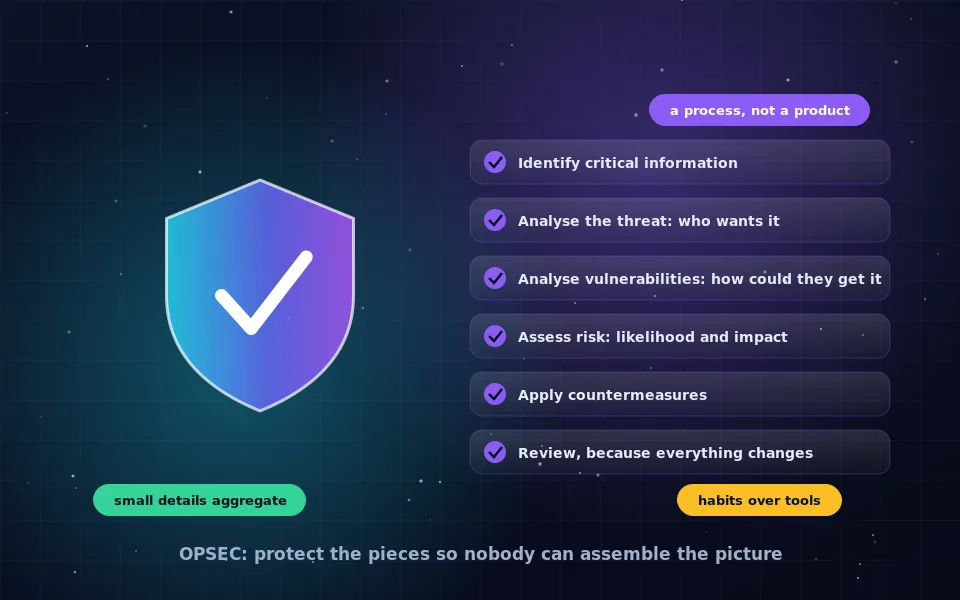
OPSEC stands for operations security. It is a process, originally developed by the United States military, for identifying the information an adversary would need to harm you, analysing how they could obtain it from what you do and say, assessing the risk, and applying countermeasures to deny it to them. In plain terms, OPSEC means thinking about what you reveal and to whom, and changing your habits to protect what matters, with a focus on small, seemingly harmless details that add up.
OPSEC is the concept that ties together every guide in the anonymity section of this site, because tools protect the technical layers and OPSEC protects against the person using them. This guide explains where the term comes from and what it means, the five-step OPSEC process, how OPSEC defines critical information, how the concept is used in cybersecurity and personal privacy, and what the well-known OPSEC fails teach.
Where OPSEC comes from
The term and the process emerged from a military study during the Vietnam War that examined how adversaries were anticipating operations despite classified plans being protected. The finding was that unclassified details, such as movements, supply patterns, communications routines and casual conversation, were being observed and pieced together into an accurate picture. The response was a formal process for identifying which details mattered and denying them, and the name operations security stuck.
The central insight survives every change of context: secrecy about the big thing is not enough if the small things around it are visible. Adversaries assemble pictures from fragments, and OPSEC is the discipline of managing fragments.
What OPSEC means today
Outside the military, OPSEC has become the general term for protecting information through behaviour rather than technology. In cybersecurity, OPSEC covers how organisations and individuals avoid revealing details that attackers use for reconnaissance: employee names and roles, software versions, network layouts, travel schedules, vendor relationships. In personal privacy and anonymity, it covers how a person avoids linking their private or anonymous activities to their identity through habits, disclosures and patterns.
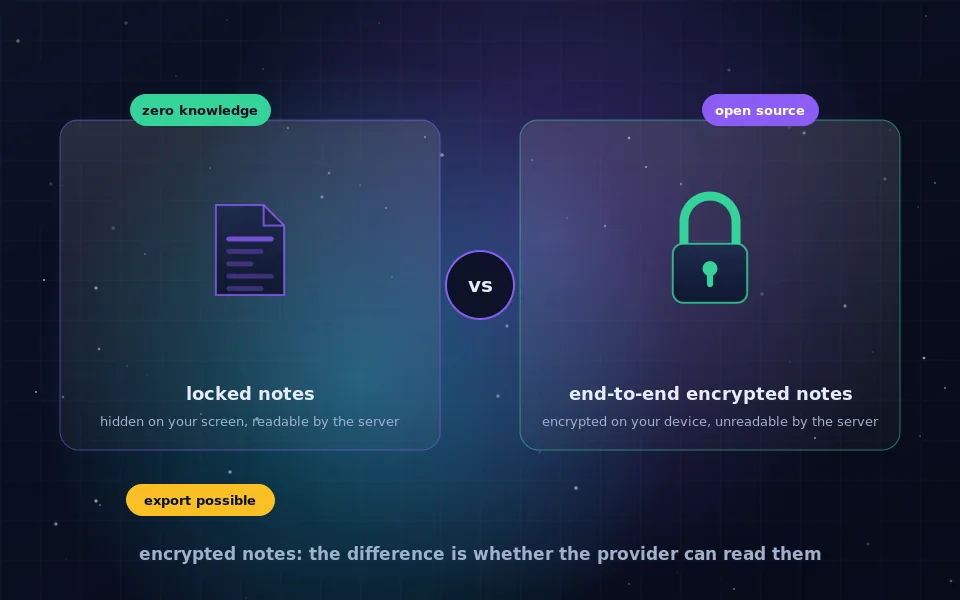
The common thread is that OPSEC is a process applied to your own observable activity. Encryption hides the content of a message; OPSEC asks whether sending the message at that time, from that place, to that person, reveals something on its own.
The OPSEC process: five steps
The formal process has five steps, and it works as well for a person as for an organisation.
- Identify critical information. What specific facts, if known to an adversary, would let them harm you or defeat what you are doing? For an anonymous identity, the critical information is anything that links it to your real one: your name, location, employer, schedule, writing style, devices, accounts.
- Analyse the threat. Who wants that information, what are they capable of, and what do they already know? A curious acquaintance, a hostile ex-partner, a company, a journalist, a government each have different capabilities, and the countermeasures scale with them.
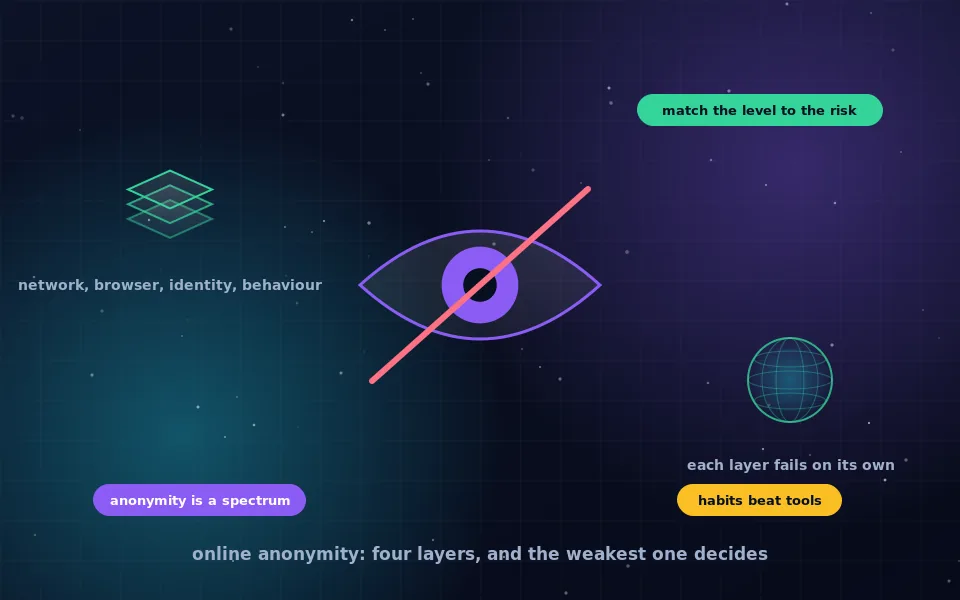
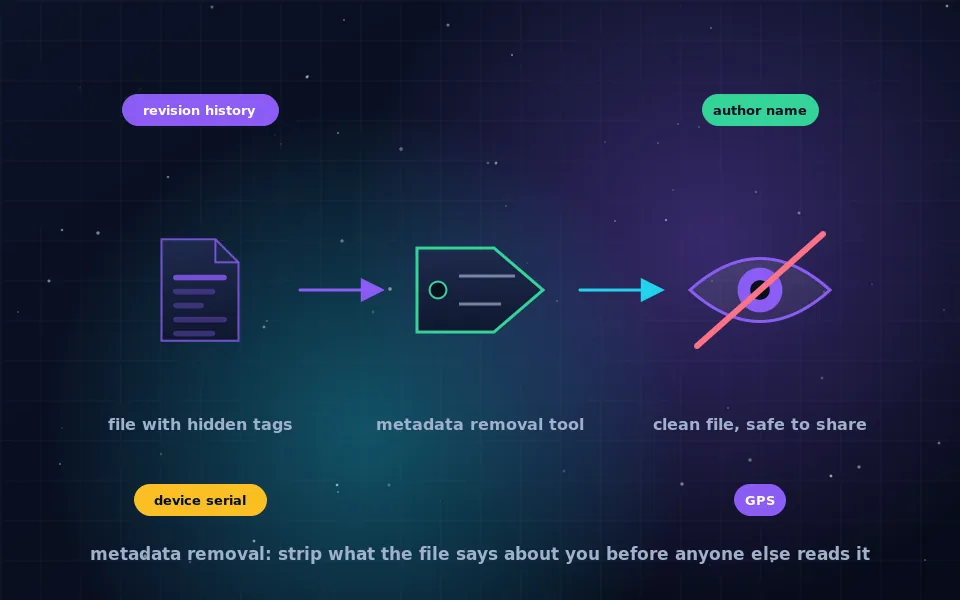
- Analyse vulnerabilities. How could the adversary obtain the critical information from what you do? Look at every observable activity: what you post, when you are online, what metadata your files carry, which accounts share an email or phone number, where your devices are and when.
- Assess risk. For each vulnerability, how likely is exploitation and how bad would it be? This ranks what to fix first and prevents spending effort on unlikely paths while an obvious one stays open.
- Apply countermeasures. Change behaviour, adopt tools, or remove the vulnerability. Then return to step one, because activities, adversaries and technology change.
Most people who care about privacy do step five without steps one through four, which is how they end up with a VPN and a reused username.
Critical information and indicators
OPSEC defines critical information as the specific information an adversary needs in order to act against you effectively. It is deliberately narrow: not everything sensitive, but the facts that matter. An anonymous blogger's critical information is their identity and location; their opinions are the point of the blog and are not critical.
An indicator is an observable detail that points toward critical information without being it. A photo's shadows indicate time of day; a mention of weather indicates region; an account's active hours indicate time zone; a distinctive phrase indicates an author. OPSEC pays most of its attention to indicators, because critical information is usually protected and indicators usually are not. The question at every step is what type of information OPSEC safeguards here, and the answer is the indicators that would let someone reconstruct the critical information.
OPSEC in cybersecurity
Organisations practise OPSEC to deny attackers the reconnaissance that precedes most intrusions. Examples of what it covers: not publishing the exact software and versions in use, limiting what job postings reveal about internal systems, controlling what employees share about roles and projects, scrubbing metadata from published documents, and being careful about which details a helpdesk will confirm to a caller. Penetration testers and red teams routinely begin by collecting exactly these fragments from public sources, which is why OPSEC and the field of open-source intelligence are two sides of one coin. For individuals working in security, personal OPSEC extends to keeping work identities, research accounts and personal life separate, since each can be used to reach the others.
OPSEC for personal anonymity
Applied to the anonymity guides on this site, OPSEC becomes concrete.
- Critical information: the link between your anonymous identity and your real one.
- Threat: whoever would want to make that link, and what they can see.
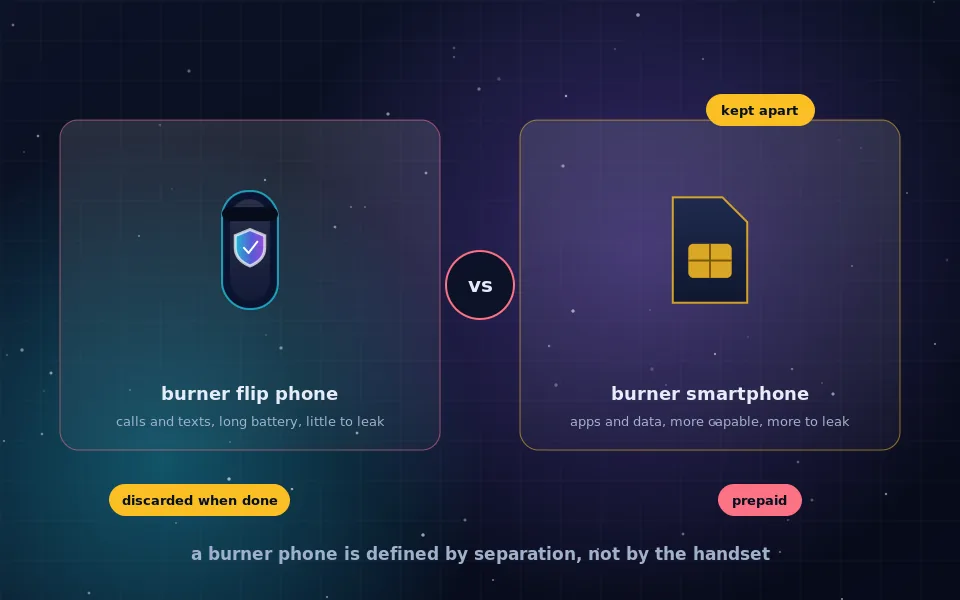
- Vulnerabilities: a shared email, a reused password, a login from your home connection, a photo with location data, a writing style, being active at the same hours as your real accounts, a phone that travels with your burner, telling the anonymous identity a true detail about your life.
- Risk: which of those is likely given your adversary, and which would be catastrophic.
- Countermeasures: separate accounts created over Tor, metadata cleaning, separate devices or Tails, a rule of never mixing identities in time or place, plain and brief writing, and periodic review of what the identity has revealed.
Every technical guide on this site provides a countermeasure. OPSEC is the process that tells you which ones you need.
What OPSEC fails teach
OPSEC fails and OPSEC violations are studied because they show that the failures are almost never in the tools.
Public reporting on people who were identified despite using anonymity tools shows the same causes again and again: an email address or username reused from a real identity; a login to a personal account from the anonymous session; a photo carrying location or a recognisable background; personal details mentioned in passing that narrowed the field to one person; a burner phone carried alongside a personal one; and boasting to someone who told someone else.
Military and corporate OPSEC training uses similar examples: a fitness app publishing running routes around a facility, a social media post timestamped from a location that was supposed to be secret, an out-of-office message describing a trip. In each case the protected thing was protected and an indicator gave it away.
What OPSEC practitioners and trainers say
The description above follows the formal doctrine and the way practitioners apply it.
United States government OPSEC doctrine defines the five-step process, defines critical information as the information an adversary needs to act, and emphasises that the process is about unclassified indicators observable in day-to-day activity.
Security professionals who teach OPSEC to organisations describe it as complementary to technical controls, protecting the reconnaissance phase that firewalls and encryption do not address, and note that most successful intrusions begin with information gathered from public sources.
Digital-security trainers who work with journalists and activists describe personal OPSEC as the decisive factor in whether anonymity tools work, and structure their training around threat modelling, which is the OPSEC process under another name.
Run the process on yourself
Take a piece of paper and do the five steps for one thing you want to keep private or anonymous. Name the critical information. Name who might want it. List every observable habit that could reveal it. Rank them. Fix the top three this week. Then pick up the tools from the rest of this site knowing exactly which gaps each one closes, which is the only way tools ever work.
Frequently asked questions
What does OPSEC stand for?
Operations security. It is a process, developed by the United States military, for identifying information that an adversary could use, analysing how they could obtain it from your observable activities, and taking steps to deny it to them.
What is OPSEC in simple terms?
It means thinking about what you reveal, to whom, and what they could do with it, then changing your behaviour to close the gaps. It focuses on small, unclassified details that seem harmless alone but add up to something valuable when combined.
What type of information does OPSEC safeguard?
Critical information: the specific facts about your capabilities, activities, intentions or limitations that an adversary needs to cause you harm. OPSEC defines critical information as what the adversary must have to act against you, not everything that is secret.
What is an OPSEC violation?
Any action that reveals critical information or an indicator of it to someone who should not have it: posting a photo with location data, discussing plans in a public channel, reusing a username across identities, or following a predictable routine that an observer can exploit.
How does OPSEC apply to personal online privacy?
The same process works: decide what about you must not be linked to your anonymous or private activities, consider who might try to link it and how, look at your habits for leaks, and change them. Most anonymity failures are OPSEC failures rather than technical ones.
Last reviewed and updated on . Plain text version: /anonymity/what-is-opsec.txt.